

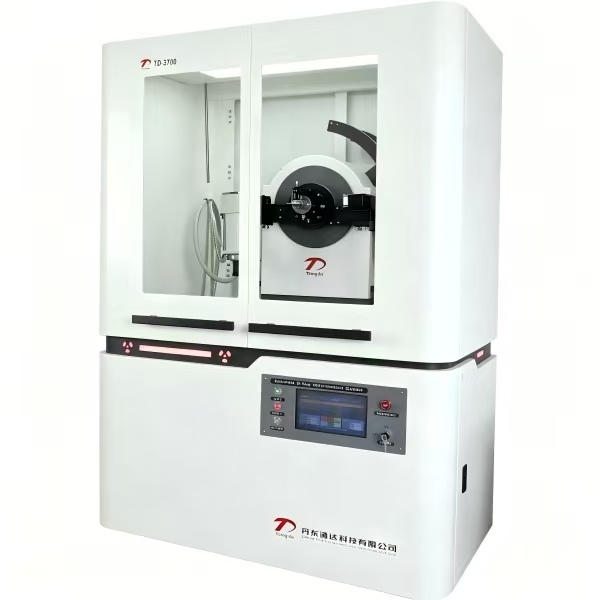
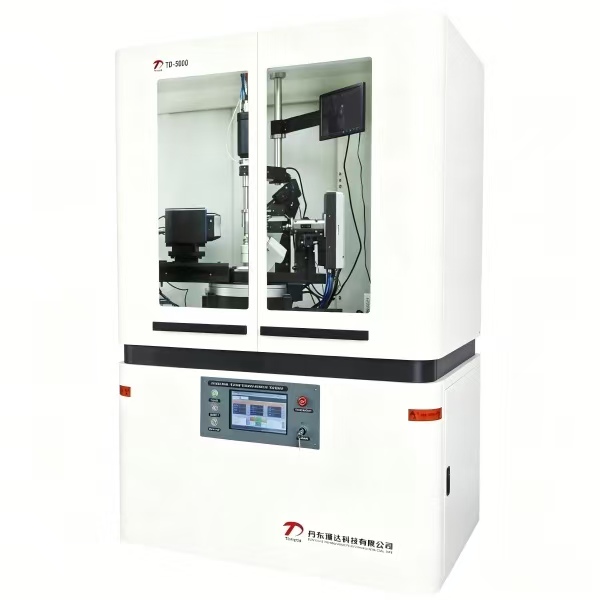
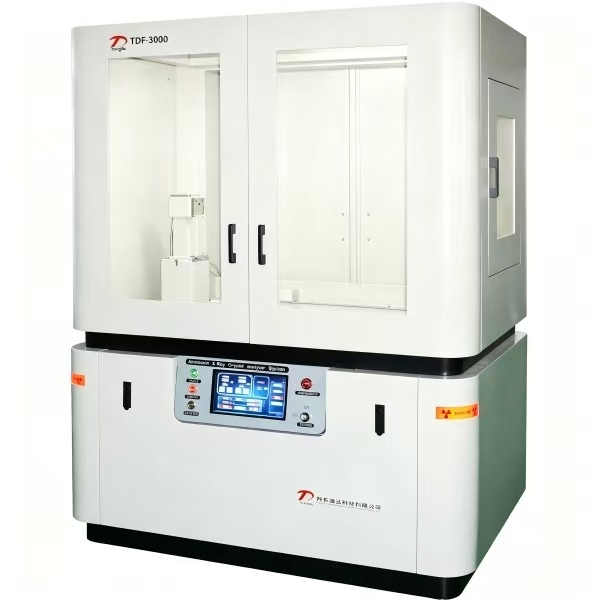
As a precision analytical instrument, the daily maintenance and care of a 2D X-ray diffractometer are crucial for preserving its performance, extending its service life, and ensuring the accuracy of analytical results. The following are key maintenance and care points:
I. Operating Environment Management
Temperature and Humidity: Ensure the instrument is in an environment with suitable temperature and humidity. It is generally recommended that the room temperature be between 15°C and 25°C, with temperature variation less than 1°C per 30 minutes, and relative humidity maintained between 20% and 80%. For high-resolution instruments, the room temperature should be controlled at 22°C ± 1°C.
Dust and Vibration Prevention: Keep the instrument's working environment clean and tidy to prevent dust accumulation. Also, ensure the instrument is placed on a stable foundation to avoid vibration interference.
Corrosion Prevention: Protect the instrument from corrosive gases or liquids.
II. Sample Handling and Instrument Cleaning
Sample Handling: After testing, promptly recover samples and clean the sample holder using appropriate solvents like anhydrous ethanol to keep it clean and free from contamination. The sample stage should also be cleaned regularly using tools like a rubber suction bulb.
Internal Instrument Cleaning: Regularly clean the interior of the instrument, especially critical components like the high-voltage generator and goniometer, to prevent dust accumulation from affecting instrument performance.
III. Cooling System Maintenance
Recirculating Cooling Water: Check the recirculating cooling water system to ensure the water is pure and the flow rate is sufficient. Regularly replace the circulating water and filter paper core to prevent blockages and corrosion. The optimal cooling water temperature is typically between 20°C and 25°C, but this can be adjusted based on the actual working environment.
Cooling Water Lines: The cooling water lines inside the X-ray tube are relatively narrow and may scale over time, affecting cooling efficiency. Therefore, regularly inspect and clean the cooling water lines.
IV. X-ray Tube Maintenance
Conditioning: New X-ray tubes, tubes unused for over 100 hours, or tubes removed from the instrument must undergo proper conditioning. For tubes unused for more than 24 hours but less than 100 hours, perform an automatic fast conditioning.
Connection Check: Regularly inspect the connection status of the X-ray tube to ensure it is secure and undamaged.
Standby and Shutdown: Set the X-ray tube to standby mode when the instrument will not be used for over an hour. Turn off the high voltage for the X-ray tube when the instrument will not be used for over two weeks. Remove the X-ray tube when the instrument will not be used for over ten weeks.
V. Computer Workstation Maintenance
Operating Environment: Maintain a good operating environment for the computer workstation, avoiding overheating and vibration.
Data Backup: Regularly back up data and the system to prevent data loss.
VI. Safety Precautions
Avoid Touching Beryllium Windows: The windows of the X-ray tube and detector are made of beryllium. Do not touch these beryllium windows to avoid poisoning or damaging the window.
Safety Interlocks: If the shutter cannot be opened, it is usually due to a malfunctioning safety interlock circuit. Never attempt to bypass the safety interlocks.
Alarm Handling: If the instrument alarms during use, promptly notify the personnel on duty and do not attempt to handle it without authorization.
The daily maintenance and care of a 2D X-ray diffractometer require meticulous operation and accumulated experience. Through regular maintenance and timely troubleshooting, the stable operation of the instrument and the accuracy of analytical results can be ensured.